How Sensitive are FLIR Gas Detection Cameras?
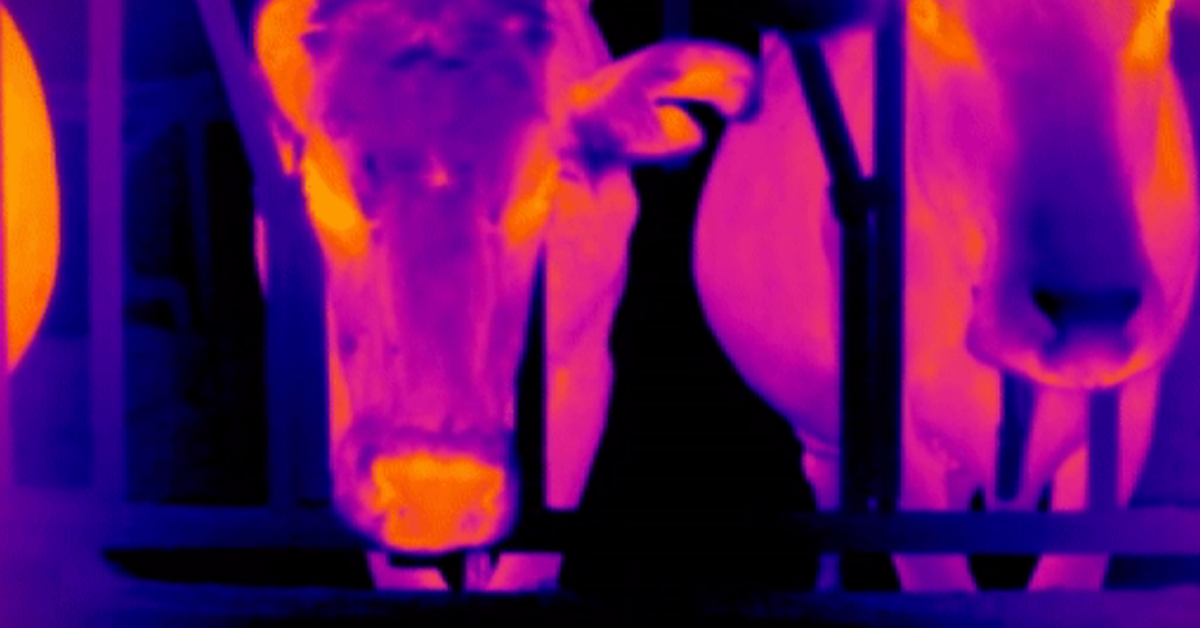
Optical gas imaging (OGI) cameras are extremly sensitive - they can detect small gas leaks from several meters away, large leaks from hundreds of meters away, and also detect gas from moving transport vehicles like tanker trucks, barges, and rail wagons.
High Sensitivity Mode
Using the high sensitivity mode (HSM), operators can spot even the smallest of leaks. High sensitivity mode is an image subtraction video processing technique that enhances the thermal sensitivity of the camera. The HSM feature subtracts a percentage of individual pixel signals from frames in the video stream from the subsequent frames - this enhances the differences between frames, and makes leaks stand out more clearly in the resulting images. Watch the video below to see HSM in action:

Demonstrating the Sensitivity of FLIR's Optical Gas Imaging Cameras with Hand Sanitizer
Visualizing Carbon Dioxide
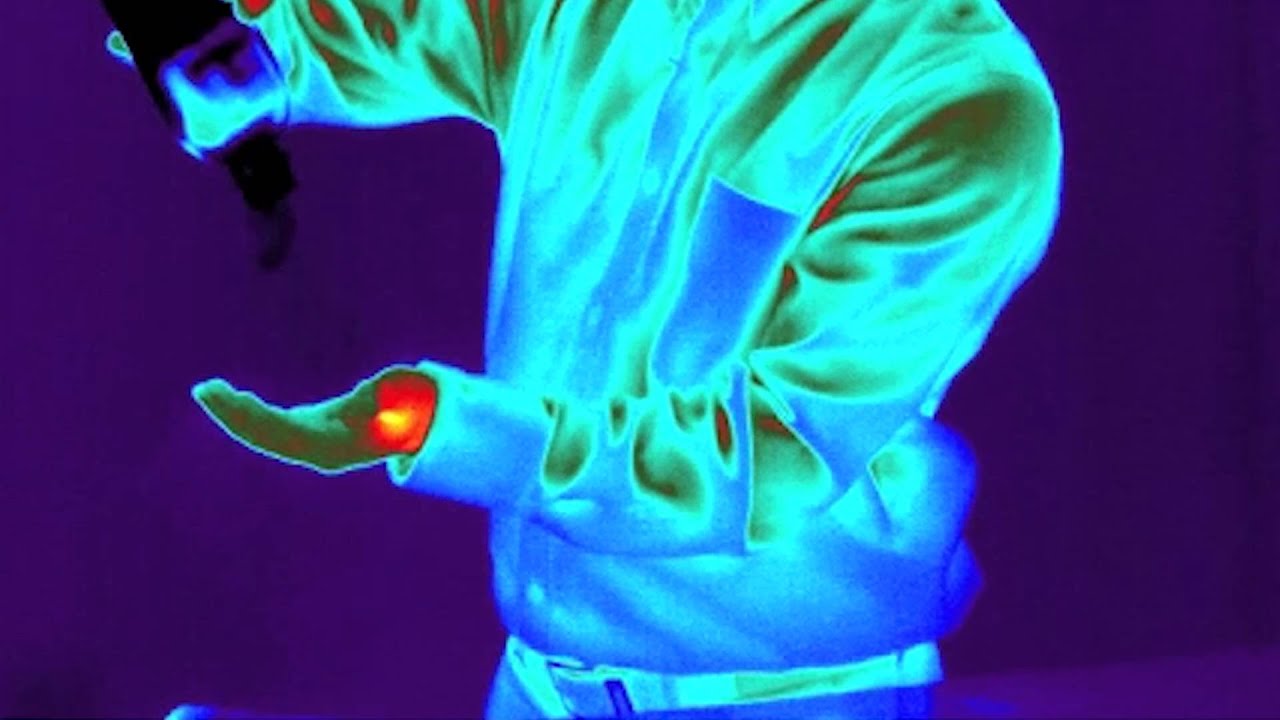
Using a FLIR Gas Detection Cameras to Visualize CO2 Gas
A common concern when visualizing CO₂ in particular is whether or not the OGI camera is detecting the gas or seeing water vapor.
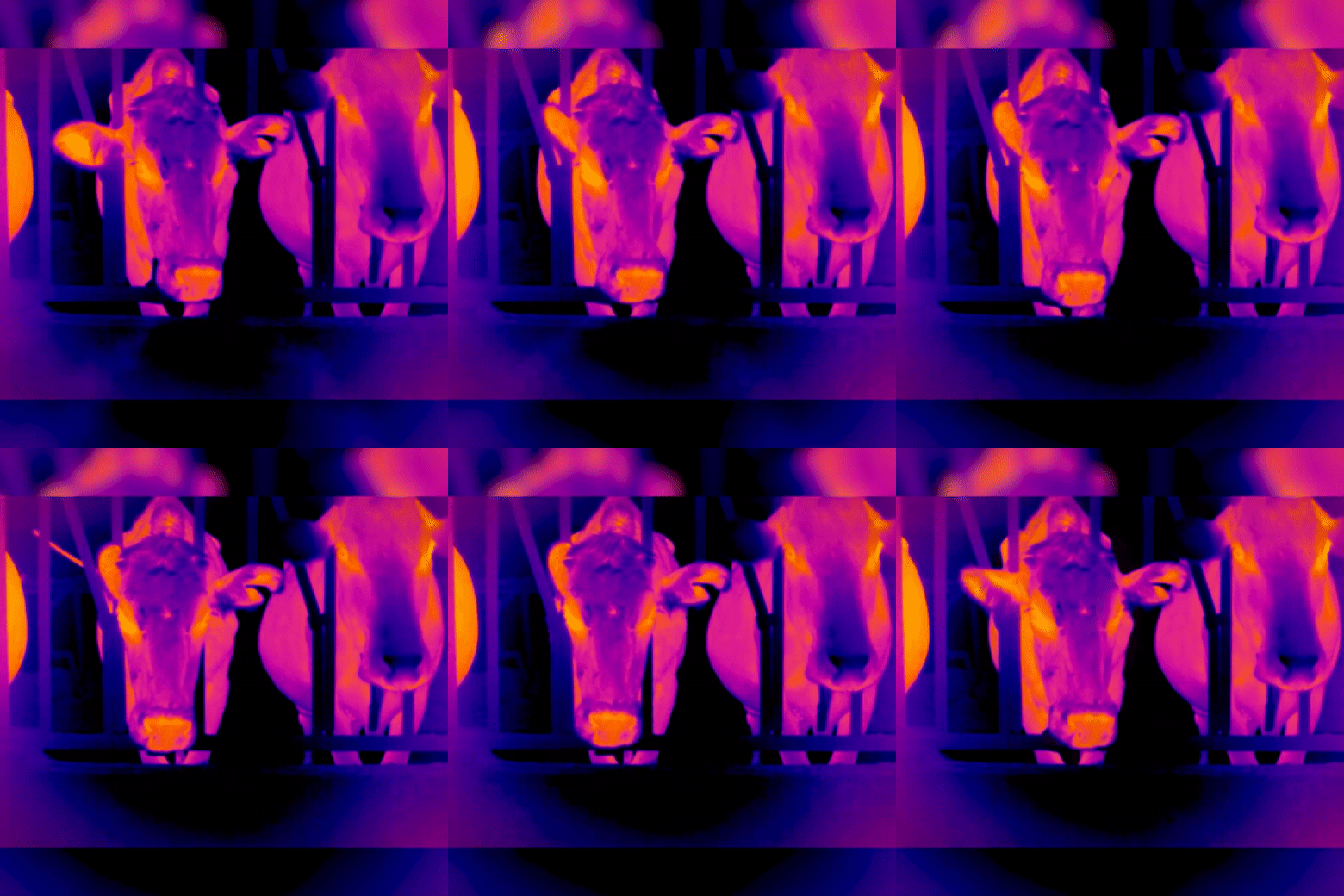
Are we seeing the heat from water vapor being exhaled by the cow? No - we're actually seeing exhaled CO₂.
OGI cameras visualize gas by spectrally filtering for infrared absorption in a particular waveband. At 4.3 microns, water vapor doesn't absorb as much energy as CO₂ absorbs. When we (or cows) exhale, for example, an OGI camera filtered for 4.3 µm would detect the CO₂ we exhale much more than any water vapor.
Related Articles
-
 Fundamentals
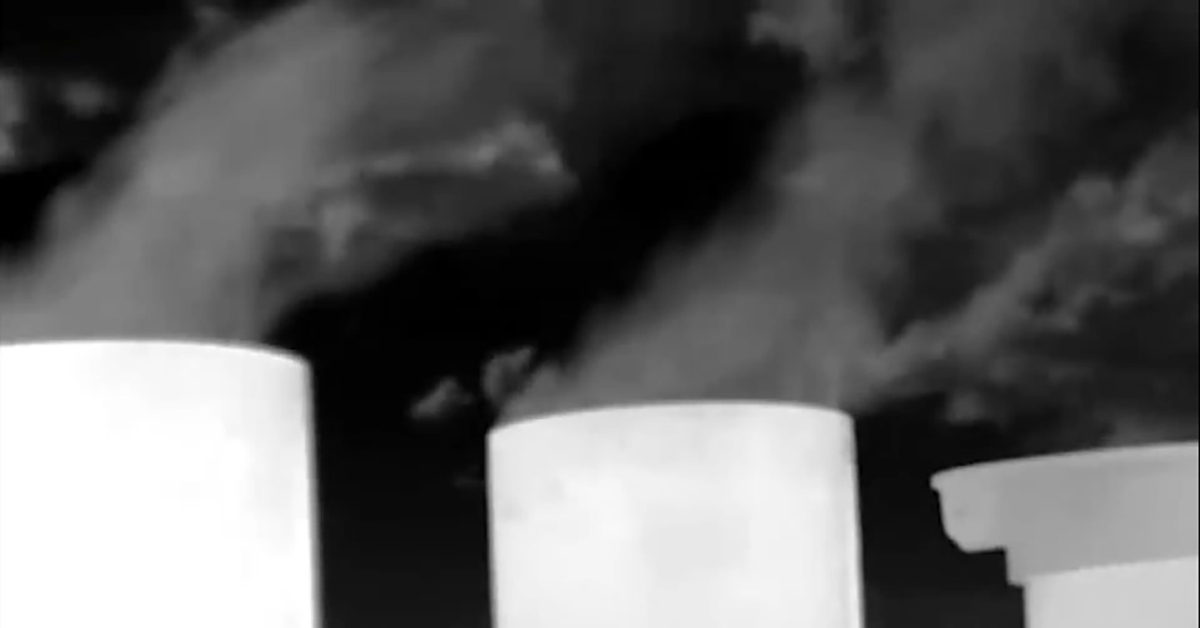
Can You See Toxic Emissions with Thermal Cameras?
Learn more -
 Choosing a Camera
Thermal Camera Specs You Should Know Before Buying
Learn more -
 Tech Note
Czech Utility Company Uses Optical Gas Imaging to Detect SF6 Gas Leaks
Learn more